
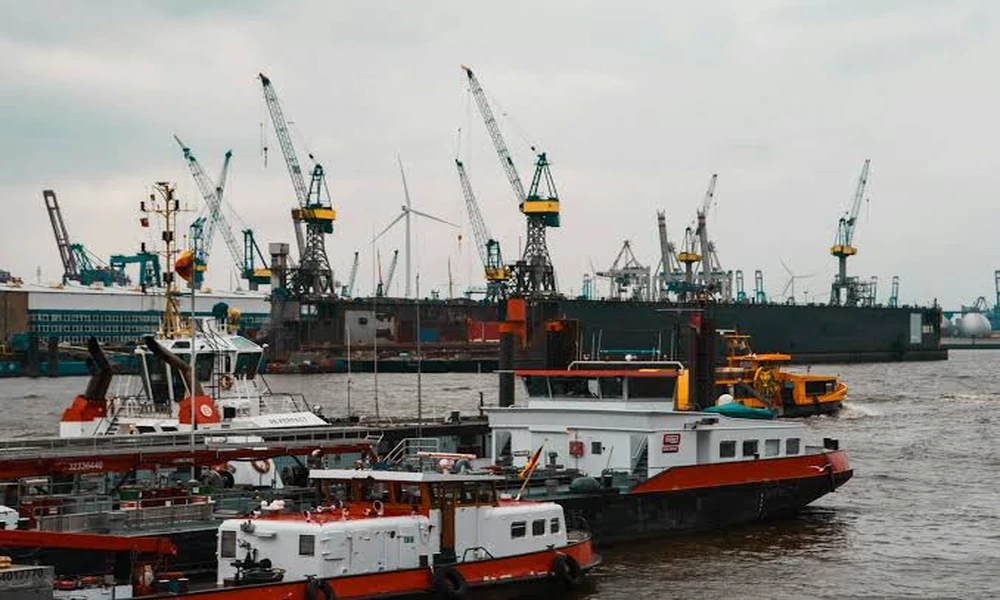
Ocean structures face hidden risks before construction even begins. Every seabed tells a different story through soil strength, water movement, and erosion patterns. Those conditions shape every engineering decision from the start. A marine construction company studies these underwater realities before selecting foundation systems capable of carrying heavy loads through changing marine environments.
Seabed Conditions Shape Every Engineering Decision
Solid-looking water surfaces reveal little beneath them. Sand may shift quickly, while clay compresses under weight. Rock offers greater stability but demands different installation methods. Engineers investigate every layer before choosing foundation types because hidden ground conditions influence durability far more than visible surface conditions.
Why Cannot Ordinary Foundations Handle Marine Environments?
Land-based foundation designs cannot answer underwater challenges. Constant wave pressure changes structural loading throughout each day. Saltwater accelerates material deterioration across exposed components. Strong currents reshape surrounding sediments, creating new stress around foundation elements long before visible structural damage appears.
Key considerations include:
- Wave pressure changes constantly.
- Saltwater attacks exposed materials.
- Currents remove surrounding seabed soils.
- Tides influence structural loading.
- Vessel movement creates additional vibration.
Choosing the Right Foundation System
Every project demands careful matching between environmental conditions and engineering solutions. Engineers examine soil reports, water depth, expected loading, and operating conditions before selecting installation methods. A trusted marine construction company evaluates each factor together because isolated decisions rarely produce dependable long-term performance.
Several foundation options serve different situations:
- Driven piles suit deeper loose sediments.
- Caissons handle massive waterfront structures.
- Drilled shafts anchor difficult rocky locations.
- Gravity foundations perform across selected seabed conditions.
Practical Examples Reveal Their Importance
Bridge piers crossing wide rivers require deep foundations reaching stable bearing layers. Offshore wind turbines depend upon secure anchoring despite continuous wave action. Port terminals carry enormous cargo equipment every day, requiring foundations capable of resisting settlement without disrupting commercial operations.
Each example reflects unique engineering priorities. Soil behavior changes between neighboring locations. Design choices respond directly to measured site conditions instead of standard construction practices. Experience guides those decisions, although detailed investigation remains equally valuable before installation begins.
What Long-Term Benefits Do Specialized Foundations Deliver?
Initial investment often reduces future repair costs. Strong foundation performance limits uneven settlement across heavy marine structures. Reliable stability protects operational schedules while extending service life. Every successful installation strengthens safety, preserves infrastructure value, and reduces maintenance interruptions across demanding waterfront facilities.
FAQs
Why does seabed testing matter before construction?
Testing identifies soil strength, hidden layers, and erosion risks before foundation selection begins.
Can one foundation type suit every marine project?
No. Water depth, soil composition, loading, and environmental conditions influence every engineering choice.
Does saltwater affect foundation durability?
Yes. Salt exposure accelerates corrosion, making protective materials and suitable designs essential.
Every Stable Marine Structure Starts with the Right Foundation
Strong marine structures depend upon invisible engineering rather than impressive superstructures alone. Deep piles beneath bridge piers and carefully selected caisson systems demonstrate this reality every day. Long service life begins below the waterline, where foundation choices quietly determine whether critical infrastructure withstands decades of relentless marine forces.