
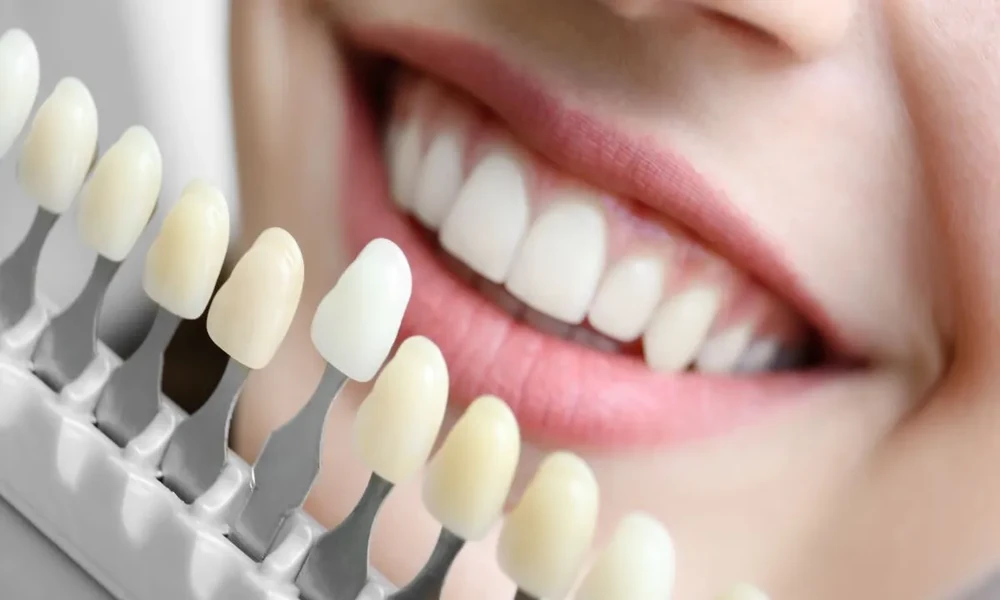
You look in the mirror, catch a little yellowing that was not there before, and suddenly every coffee, tea, and red sauce choice feels like it is showing up on your teeth. That frustration is real. Teeth whitening sounds simple until you start comparing options and realize the fine print matters. The short version is this: in office whitening is faster, stronger, and supervised, while at home trays are slower, more gradual, and usually easier on your schedule and budget. The best choice depends on how quickly you want results, how sensitive your teeth are, and how much shade change you are actually hoping for. If you are also looking for fast relief for dental emergencies in Plymouth, it helps to choose a dental office that can support both cosmetic goals and urgent care needs.
People often assume whitening is just whitening. It is not. The way bleaching gel is delivered, how long it stays on the teeth, the strength of the peroxide, and whether a dentist is checking your gums and enamel all change the experience. That is where real life starts to look different from the ad.
In office whitening gives speed and control that home trays usually cannot match
Professional whitening done in a dental office is built for one thing: visible change in a short visit. A dentist protects your gums, uses a higher concentration whitening agent, and watches how your teeth respond. According to the American Dental Association’s overview of teeth whitening options, whitening can be done in the office or at home under a dentist’s guidance, and the method you choose affects both speed and comfort.
That speed is the main draw. If you have a wedding, job interview, photo session, or reunion coming up, waiting several weeks for trays can feel too slow. In office treatment often lightens teeth several shades in one appointment. You leave with a result you can actually see, not a process you still have to finish.
There is another side to that convenience. Stronger gel can mean more sensitivity, especially if your teeth already react to cold drinks or brushing. Some people feel quick zingers during treatment or for a day or two after. When that happens in the office, the dentist can adjust the process. At home, you are usually left guessing whether to stop, shorten wear time, or push through it.
At home trays fit daily life better, but they ask for patience and consistency
At home trays work well for people who want more control over the pace. Custom trays from a dentist usually fit better than one size products bought in a store, which helps the gel stay on the teeth instead of spilling onto the gums. That can make the experience more comfortable and the result more even.
The tradeoff is time. You may need to wear trays daily for days or weeks, depending on the product and the shade you are starting with. If you skip nights, wear them for less time than directed, or keep drinking coffee every morning without changing habits, the result may look patchy or underwhelming. That is where people get disappointed. The method is not failing. Real life is getting in the way.
Professional teeth whitening at home can also be a better fit if you have mild staining and do not need a dramatic jump right away. It is less about the big reveal and more about steady improvement. Many people prefer that because it feels easier to manage sensitivity and easier to maintain over time.
Real life problems change which whitening option makes sense
If your teeth are stained from coffee, tea, tobacco, or aging, both options can help. If the discoloration comes from internal causes, older dental work, trauma, or certain medications, whitening may not give the result you expect. Fillings, crowns, and veneers do not whiten the way natural enamel does, so you can end up with a mismatch. A basic dental exam helps catch that before you spend money on the wrong plan.
This matters more than most people think. You might feel like your teeth are just “yellow,” when the real issue is dehydration of enamel after treatment, a gray tone from within the tooth, or visible contrast between natural teeth and older restorations. A dentist can sort that out quickly. MedlinePlus also explains that tooth discoloration has many causes, from foods and tobacco to injury and medicines, which is why the source of the stain matters before you pick a whitening method. Read more in this MedlinePlus guide on tooth discoloration.
In office bleaching vs home whitening trays in daily use
| Factor | In Office Whitening | At Home Trays |
|---|---|---|
| Speed | Often one visit with immediate visible change | Usually days to weeks for gradual change |
| Strength | Higher concentration under dental supervision | Lower concentration for repeated use |
| Sensitivity management | Dentist can adjust treatment during the visit | You manage wear time and comfort at home |
| Convenience | One scheduled appointment | Flexible, but requires daily consistency |
| Cost | Higher upfront cost | Usually lower upfront cost |
| Best for | Fast results, events, deeper external stains | Mild staining, maintenance, slower approach |
Research on peroxide based whitening shows why this difference exists. Whitening works by oxidizing stain compounds in the tooth structure, and stronger in office systems can produce faster shade change because the active ingredients and application are more tightly controlled. You can review the science in this published review on tooth whitening methods and mechanisms.
Clear next steps help you avoid wasted time and uneven results
1. Check what kind of staining you actually have. Brown and yellow surface stains often respond well to whitening. Gray discoloration, old crowns, and patchy color from dental work may not. If your teeth have dark spots, cracks, or one tooth that looks different from the others, get a dental exam first.
2. Match the method to your deadline and tolerance. If you need a visible change this week, in office treatment usually makes more sense. If you are sensitive already, or you want to spread out the cost and the process, trays may be a better fit. Think about your real habits, not your ideal ones. If you know you will not wear trays every night, speed may save you frustration.
3. Protect the result right away. The first days after whitening matter. Cut back on coffee, tea, red wine, and tobacco. Use a straw when you can, rinse with water after staining foods, and keep up with cleanings. Whitening is easier to maintain than to restart from scratch.
The best whitening choice is the one that fits your teeth and your life
You do not need the most expensive option or the fastest one just because it sounds better. You need the one that fits your enamel, your schedule, your budget, and your expectations. Teeth whitening options work best when the method matches the stain and the person using it.
If you are weighing in office whitening against at home trays, a visit with a general and cosmetic dentist can make the decision much clearer. A quick evaluation can tell you what is realistic, what may cause sensitivity, and what kind of result you can expect to keep.