
Maintaining clean and healthy water in a pond can be challenging, especially during warm weather or sunny days when algae grows rapidly. Algae blooms can quickly turn pond water green and reduce overall water quality.
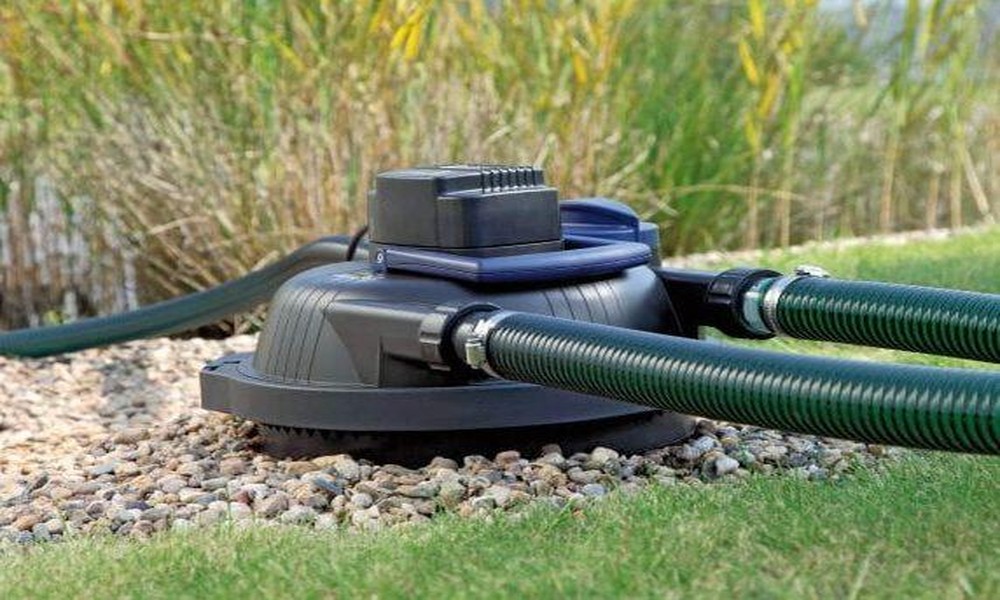
One of the most effective ways to control algae and improve water clarity is by using UV filtration for ponds. A UV clarifier can be installed as part of a pond filtration system or as a standalone unit. This technology uses ultraviolet light to help eliminate microscopic algae and harmful microorganisms in the water.
Adding UV filtration to your pond system can help maintain clearer water, improve water balance, and support a healthier aquatic environment for fish and wildlife.
What Does UV Filtration Do in a Pond?
UV filtration works by exposing pond water to ultraviolet radiation inside a sealed chamber. As water flows past the UV bulb, the radiation disrupts the cells of algae and microorganisms.
This process helps:
- Neutralize microscopic algae that cause green water
- Reduce harmful bacteria in the water
- Improve overall water clarity
- Support a more balanced pond ecosystem
When combined with a proper mechanical and biological filtration system, pond UV filtration can significantly improve water quality and reduce the time it takes for a pond to become biologically balanced.
Is UV Filtration Safe for Fish and Beneficial Bacteria?
UV clarifiers are safe for fish and other pond wildlife when installed correctly. The ultraviolet light operates inside a sealed chamber, so fish and plants are not directly exposed to it.
Beneficial bacteria in the pond are also not harmed by UV filtration. These bacteria live primarily on surfaces such as:
- Gravel and rocks
- Pond liners and decorations
- Biological filter media
- Pond plants and surfaces inside filters
Since UV clarifiers only affect water that passes directly through the chamber, the beneficial bacteria colonies that maintain biological filtration remain protected.
By reducing algae growth and controlling harmful microorganisms, UV filtration can help limit the spread of certain waterborne issues between fish.
How UV Clarifiers Work in a Pond System
A pond UV clarifier sterilizes water as it passes through the unit. Inside the chamber, ultraviolet light alters the cells of algae and small microorganisms.
Once treated by the UV light, the algae particles clump together into larger groups. This process, known as flocculation, makes it easier for the pond’s mechanical filter to capture and remove the particles.
As a result, the water gradually becomes clearer while preventing excessive algae buildup.
Most UV clarifiers work alongside standard pond filtration systems that include mechanical filtration components such as foam pads, filter brushes, or cartridges.
Using UV Clarifiers with Pond Filters
Many pond filtration systems include built-in UV clarifiers as part of their design. These integrated systems simplify installation and ensure that water is both filtered and treated with ultraviolet light.
In some cases, pond owners may want to increase the level of UV filtration. This can be done by installing an additional external UV clarifier in the plumbing line outside the filter.
Standalone UV clarifiers function in the same way as integrated units and can be added to existing filtration systems to improve algae control and water clarity.
What Size UV Clarifier Do You Need?
Choosing the correct UV clarifier size for your pond is essential for effective algae control. The required UV power typically depends on the type of pond and the number of fish.
Here are general guidelines based on pond type:
- Wildlife ponds: approximately 1 watt of UV power per 1,000 liters of water
- Goldfish ponds: approximately 2 watts per 1,000 liters
- Koi ponds: approximately 4 watts per 1,000 liters
Wildlife ponds with minimal fish populations often do not require UV filtration. However, ponds with large fish populations—especially koi ponds—usually benefit from stronger UV systems due to the higher nutrient levels in the water.
Overstocked ponds or ponds exposed to strong sunlight may also require additional UV capacity.
UV Bulb Maintenance and Replacement
To keep a pond UV filtration system working effectively, the UV bulb must be replaced regularly. Over time, the light output of the bulb gradually weakens even if it still appears to be functioning.
Most UV bulbs should be replaced approximately every six months of continuous operation to maintain optimal performance.
Routine maintenance ensures that the UV clarifier continues to control algae growth and maintain clear pond water.
Keeping Your Pond Clear with UV Filtration
UV filtration is one of the most effective tools for controlling algae and maintaining clear pond water. When used together with mechanical and biological filtration, it helps create a balanced ecosystem that supports fish health and water clarity.
By selecting the right UV clarifier size, maintaining the bulb regularly, and combining it with a proper filtration system, pond owners can enjoy cleaner, healthier water throughout the year.