
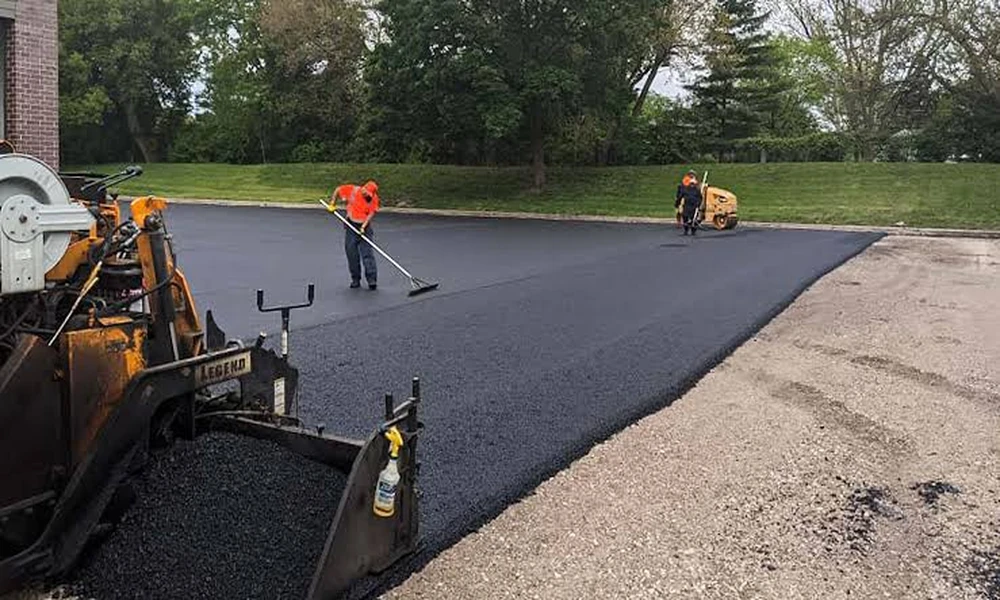
Key Takeaways
- Create a positive first impression: A clean, well-paved parking lot reflects professionalism and encourages customers to trust your business.
- Improve safety and accessibility: Smooth pavement, clear markings, and proper drainage help create a safer and more accessible environment for customers and employees.
- Strengthen your business reputation: Working with an experienced paving contractor helps ensure quality workmanship, reliable results, and a professional appearance.
- Choose durable paving materials: Selecting the right asphalt or concrete solution can improve pavement performance and help control long-term costs.
- Reduce maintenance expenses: Routine inspections, sealcoating, and timely repairs help prevent minor pavement issues from becoming expensive problems.
- Increase long-term business value: A well-maintained parking lot supports customer satisfaction, protects your property investment, and creates a welcoming experience.
1. Create a Strong First Impression With Professional Parking Lot Paving
First impressions can influence how customers perceive your business. Before entering your store, office, or commercial property, visitors often encounter your parking lot. A clean, smooth, and well-maintained surface communicates professionalism, attention to detail, and a commitment to customer satisfaction.
On the other hand, cracked pavement, potholes, faded parking lines, and uneven surfaces can make a business appear neglected. These issues may discourage potential customers and create doubts about the quality of the services offered inside.
Investing in professional parking lot paving helps businesses create a more welcoming environment. Fresh pavement and clearly marked parking spaces make it easier for visitors to navigate the property while improving its overall appearance.
A professional paving project can also complement your building’s exterior, landscaping, and signage. Together, these improvements create a consistent and positive brand image that customers are more likely to remember.
Why Appearance Matters for Business Growth
A well-maintained parking lot contributes to a better customer experience from the moment visitors arrive. Customers can park more comfortably, identify designated spaces, and access entrances without navigating unnecessary obstacles.
For retail stores, restaurants, offices, and other commercial establishments, these details can influence whether customers feel comfortable returning.
By investing in pavement improvements, businesses can demonstrate that customer experience matters at every stage of the visit.
2. Improve Customer Safety and Parking Lot Accessibility
A parking lot should provide more than convenient parking. It should also support the safety of drivers, pedestrians, employees, and visitors.
Cracks, potholes, loose pavement, and uneven surfaces can create tripping hazards and make vehicle movement more difficult. Poorly maintained parking areas may also cause water to accumulate, increasing the risk of slippery conditions.
Hiring a qualified parking lot paving company can help businesses address these concerns through appropriate paving materials, surface preparation, grading, and drainage solutions.
Make Parking Areas Safer for Everyone
Professional paving services can help improve safety by providing:
- Smooth and stable driving surfaces
- Clearly marked parking spaces and traffic lanes
- Proper grading to encourage water runoff
- Accessible parking spaces and routes that meet applicable requirements
- Timely repairs for cracks, potholes, and damaged pavement
Accessibility is particularly important for customers with disabilities, older adults, parents with strollers, and people who need additional assistance navigating the property.
Businesses should ensure that accessible parking spaces, signage, ramps, and pedestrian routes comply with applicable accessibility standards.
A safer parking lot can reduce preventable hazards, improve the customer experience, and demonstrate that the business takes its responsibilities seriously.
3. Strengthen Your Business Reputation by Choosing the Right Paving Contractor
The quality of a parking lot depends partly on the expertise of the contractor responsible for its construction or renovation. Choosing the right paving partner helps businesses achieve durable results while minimizing the risk of avoidable delays and costly repairs.
Before hiring a contractor, business owners should evaluate its experience, previous projects, recommended materials, pricing, and warranty terms.
Questions to Ask Before Hiring a Paving Company
Consider asking these questions before making a decision:
- How much experience do you have with commercial parking lot projects?
- Can you provide examples of completed projects or references?
- Which paving materials do you recommend for our property?
- What is included in the project estimate?
- How will you manage project timelines and potential disruptions?
- What warranties or workmanship guarantees do you offer?
- Do you provide maintenance and repair services after installation?
These questions help business owners understand the contractor’s capabilities and determine whether its services align with their needs.
Review Previous Projects and Workmanship
A contractor’s portfolio can provide useful insight into its experience with different property types, parking lot layouts, and paving materials.
When reviewing previous projects, pay attention to pavement consistency, drainage, line markings, and the overall finish. If possible, request references from previous commercial clients.
A reliable contractor should also explain the proposed work clearly, identify potential challenges, and provide a realistic project schedule.
Making an informed hiring decision helps businesses protect their investment and establish a dependable partnership for future pavement maintenance.
4. Choose Durable Paving Materials for Long-Term Performance
Selecting the right paving material can influence installation costs, maintenance requirements, durability, and the appearance of a commercial property.
Asphalt and concrete are two common choices for parking lots. Each offers different advantages, so businesses should consider traffic volume, climate, expected vehicle loads, budget, and long-term maintenance needs before deciding.
Asphalt: A Practical Option for Many Businesses
Asphalt is often selected for commercial parking lots because it can be installed relatively quickly and typically has a lower initial installation cost than concrete.
Its flexibility also makes it suitable for many parking areas that experience regular vehicle traffic. When properly installed and maintained, asphalt can provide dependable performance for years.
Potential benefits include:
- Relatively quick installation
- Lower initial costs in many applications
- Straightforward crack repair and resurfacing options
- Compatibility with sealcoating and routine maintenance
However, asphalt requires appropriate drainage and periodic maintenance to protect it from water penetration, oxidation, and surface deterioration.
Concrete: Durability and Design Flexibility
Concrete can be suitable for areas that require a rigid surface or must accommodate particular loading conditions. It also offers a range of finishing and design options that may complement commercial properties.
Its potential advantages include:
- A long service life when properly designed and installed
- A range of finishes and appearance options
- Suitability for selected heavy-load applications
- Different maintenance requirements compared with asphalt
Concrete may have a higher initial cost, and repairs can be more involved depending on the type and extent of damage.
Ultimately, businesses should compare the full life-cycle costs of each material rather than choosing solely on initial price. A qualified paving contractor can recommend a solution based on the property’s specific requirements.
5. Reduce Maintenance Costs With Preventive Care and Timely Repairs
Parking lot maintenance is an important part of protecting a commercial property’s value. Small cracks and drainage problems may seem minor at first, but neglecting them can allow moisture and traffic to accelerate pavement deterioration.
A proactive maintenance plan helps businesses identify problems early, prioritize necessary repairs, and avoid some of the costs associated with extensive pavement damage.
Use Sealcoating and Prompt Repairs
For suitable asphalt surfaces, sealcoating can help protect the pavement against oxidation, moisture, and certain surface contaminants. It can also improve the appearance of an aging parking lot.
Sealcoating does not replace structural repairs, however. Existing cracks, potholes, and drainage issues should be evaluated and addressed as appropriate before protective treatments are applied.
Businesses should prioritize the following maintenance activities:
- Inspect pavement for cracks, potholes, and uneven areas.
- Remove debris that can obstruct drainage or contribute to surface deterioration.
- Repair damaged sections before the problems become more extensive.
- Refresh faded parking lines and directional markings when needed.
- Evaluate drainage systems and address standing water.
- Apply sealcoating when the pavement’s condition and maintenance schedule justify it.
Establish a Regular Inspection Schedule
A practical starting point is to inspect the parking lot seasonally or at least twice a year, with additional inspections after severe weather or when problems are reported.
The ideal schedule depends on traffic volume, pavement age, local weather, and the condition of the surface.
Keeping records of inspections and completed repairs also helps businesses identify recurring problems and plan maintenance budgets more effectively.
By investing in preventive care, business owners can improve pavement performance, maintain a professional appearance, and reduce the likelihood of unexpected repair expenses.
6. Improve Customer Convenience and Support Long-Term Business Growth
A parking lot can influence the entire customer journey. Convenient parking, clear directional markings, safe pedestrian routes, and accessible entrances make it easier for visitors to reach a business and move around the property.
These features are especially important for retail stores, shopping centers, restaurants, medical offices, and commercial facilities that depend on regular customer visits.
Make Parking Easier to Navigate
A well-designed parking lot should help drivers understand where to enter, where to park, and how to exit safely.
Businesses can improve the experience by maintaining visible parking lines, directional arrows, pedestrian crossings, accessible routes, and appropriate signage.
Proper drainage and a smooth pavement surface can also make parking areas more convenient during rainy weather.
Support Business Expansion and Property Value
As a business grows, its parking requirements may change. Additional customers, employees, delivery vehicles, or service providers can increase demand for parking capacity and more efficient traffic flow.
A professional paving contractor can help assess the existing layout and identify opportunities to improve the parking area through resurfacing, repairs, updated markings, or a redesigned layout where appropriate.
A well-maintained parking lot also contributes to the overall condition and presentation of a commercial property. While paving improvements alone cannot guarantee increased revenue or property value, they can support a more attractive, functional, and welcoming business environment.
By treating parking lot maintenance as part of the overall business strategy, owners can protect their investment while creating a better experience for customers and employees.
FAQ
What are the signs that a parking lot needs repaving?
Common warning signs include widespread cracking, recurring potholes, uneven surfaces, drainage problems, and extensive pavement deterioration. A professional assessment can help determine whether localized repairs, resurfacing, or complete replacement is the most appropriate solution.
How long does a commercial parking lot paving project take?
The timeline depends on the parking lot’s size, the condition of the existing pavement, the scope of work, weather conditions, and curing requirements. Some smaller projects may take only a few days, while larger or more complex projects can take longer.
Can a poorly maintained parking lot hurt my business?
Yes. Damaged pavement, faded markings, and standing water can create a poor first impression and inconvenience customers. Serious surface defects may also increase safety risks and lead to additional repair expenses if left unaddressed.
How often should a commercial parking lot be inspected?
Twice-yearly inspections can be a useful starting point for many properties. High-traffic parking lots or those exposed to severe weather may require more frequent inspections. The schedule should reflect pavement condition, usage, and local environmental factors.
Is asphalt or concrete better for a commercial parking lot?
Neither material is universally better. Asphalt often offers a lower initial cost and relatively quick installation, while concrete may be appropriate for certain loading conditions and design preferences. The best option depends on budget, traffic, climate, maintenance requirements, and expected service life.
How can businesses improve parking lot drainage?
Proper grading, functioning drainage systems, and well-maintained catch basins can help direct water away from the pavement. A qualified contractor can assess standing water and recommend appropriate improvements based on site conditions.
Are there environmentally friendly parking lot paving options?
Yes. Depending on the project, businesses may consider recycled asphalt or permeable paving systems. These options have different installation, maintenance, and performance requirements, so their suitability should be evaluated for the property.
How does weather affect parking lot durability?
Rain, moisture, temperature fluctuations, and extreme heat or cold can contribute to pavement deterioration. Proper drainage, suitable materials, quality installation, and timely maintenance can help reduce weather-related damage and extend pavement service life.