
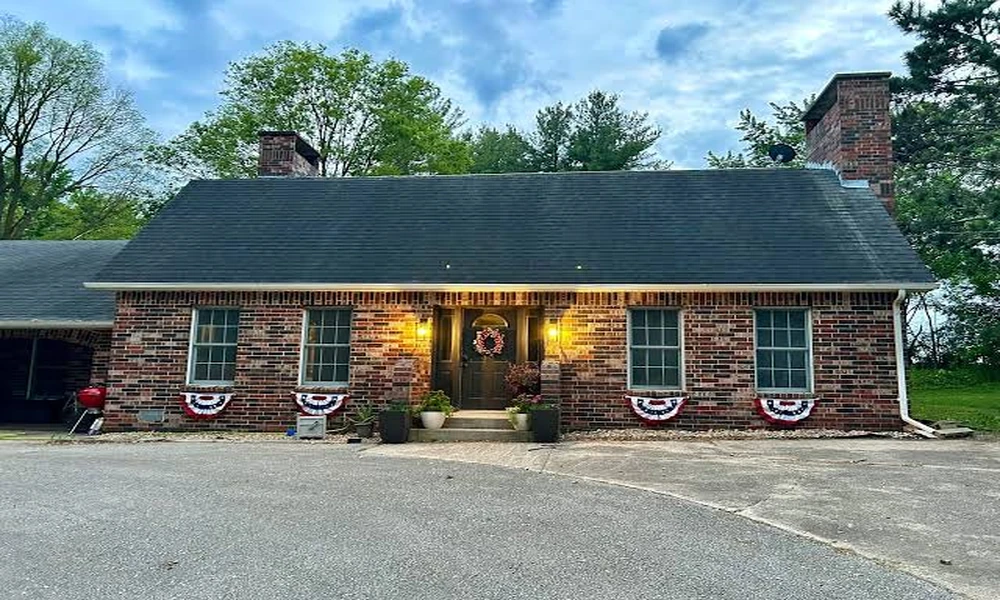
Stand at the gate of almost any acreage outside Wickenburg and count the roofs. There is the house, of course. Then the casita out back, the hay barn, a metal shop with a roll up door, maybe a carport sheltering the horse trailer and a little pump house over the well. That can mean six roofs, several materials, and six completely different ways of failing.
Most roofing advice assumes one building and one roof. That is not how property works across the desert foothills between Wittmann and Yarnell. Plenty of owners out here lean on Radiant Roofing LLC because this hometown Wickenburg crew, voted Best of the Burg two years running, already works with tile, metal, shingle, spray foam and flat systems on homes and commercial buildings alike, from Aguila and Salome over to Congress and Peeples Valley and up to Williams. Having one team that understands every surface on a parcel matters more than it sounds, and the walk below shows why.
The Main House Wears a Disguise
Concrete and clay tile is the classic choice for Arizona homes, and the tiles themselves can outlast the people who bought them. That longevity fools a lot of owners. The tile is mostly a sunshade and a first line of defense. The real waterproofing sits underneath in the underlayment, and that layer often gives out somewhere around the twenty to thirty year mark, depending on its type and how much heat it has baked through.
The warning signs rarely show from the driveway. Look instead for
- a ceiling stain that appears only after the heaviest storms,
- tiles that have slipped or cracked near valleys and around vents,
- and debris piling up behind chimneys, where water can back up under the tile.
When underlayment fails, the usual fix is a lift and relay. Crews pull the tiles, replace the felt or synthetic layer, swap broken pieces and set the good ones back. It typically costs far less than starting over, and the house keeps its look.
Shingle homes have a simpler story. Granule loss shows up as dark sand in the gutters and bald patches on the south and west slopes, which take the worst of the afternoon sun.
Low Slopes Hiding Behind Parapets
Guest casitas, territorial style additions and many older ranch houses carry flat or low slope roofs tucked behind parapet walls. These roofs live and die by drainage. A scupper clogged with mesquite leaves turns a small rain into a pond, and standing water finds every weak seam.
Many of these roofs are polyurethane spray foam topped with an elastomeric coating. The foam handles insulation and waterproofing, but the coating is what shields the foam from ultraviolet light. Once the coating wears thin, the foam turns brown and crumbly. Recoating on schedule, commonly every several years, is cheap insurance compared with stripping foam off entirely.
Swamp coolers deserve a mention here too. An evaporative cooler sitting on a low slope roof drips, rusts and sometimes overflows for months before anyone notices. Rust trails and soft spots around the cooler stand are worth checking each spring before it starts running.
Barns and Shops Speak Metal
Metal is the default for outbuildings, and for good reason. It resists embers, shrugs off heat and lasts decades. The weak points are small ones. Exposed fastener panels rely on thousands of screws, each sealed with a rubber washer. Years of sun harden and crack those washers, and every one becomes a pinhole leak. Replacing or upsizing fasteners is routine upkeep, not a sign the roof is finished.
Barns add their own twist. Horses and livestock put moisture into the air, and on cool desert nights that moisture condenses on the underside of bare metal and drips back down onto the hay. A vapor barrier or insulation layer under the panels solves a problem many owners mistake for a leak.
Shops and RV covers with open walls face a different threat. Monsoon microbursts push wind under the eaves and pull upward on panels. Loose trim and lifted edges after a storm mean uplift has started working on the attachment points.
The Small Roofs Nobody Visits
Pump houses, chicken coops, tack rooms and older manufactured homes can go years without anyone climbing onto them. These are the spots where packrats move in, nesting under loose tile edges and inside flashing gaps and chewing wiring along the way. They are also where a slow leak can rot a wood deck over a decade. A quick look at each one during a yearly walk keeps surprises to a minimum.
What the Seasons Do to All of Them
The weather here does not pick favorites. The National Weather Service office in Phoenix tracks a monsoon season that officially runs from mid June through the end of September, bringing dust storms, sudden downpours and the occasional hail. Around that window, a sensible routine looks something like this.
- In late spring, clear valleys, gutters and scuppers, and check flashing before the first storms roll in.
- Right after monsoon, walk every structure looking for lifted panels, broken tile and fresh ceiling stains.
- Ahead of winter, especially for owners in Yarnell, Peeples Valley or Williams where freezing nights and snow arrive, make sure water drains freely and no gaps will let ice pry things apart.
- All year, keep brush and dry grass trimmed back from buildings. The Yarnell Hill Fire remains a hard reminder that ember resistant roofs and clean gutters are a real line of defense in these foothills.
Hiring for the Whole Property
Whoever climbs onto your roofs should hold a valid Arizona contractor license, which anyone can confirm through the Arizona Registrar of Contractors in a few minutes. Ask whether the crew works on every material on your land or only on houses. A team comfortable with tile but unfamiliar with foam might patch the casita with the wrong product, and a mismatched sealant can void a coating warranty.
It also pays to schedule one inspection covering every building rather than calling about each problem as it pops up. Patterns show up that way. Wind damage on the shop usually means the barn took a hit too, and ponding on the casita may point to drainage changes around the whole yard.
A Property Is a Collection of Roofs
Treating a parcel as one roof is how small problems on the outbuildings grow into expensive ones. The house gets the attention, but the hay, the tools, the trailer and the well equipment all sit under roofs as well. Give each one the care its material calls for, walk them all at least once a year, and the whole place stays dry from the gate to the back fence.