
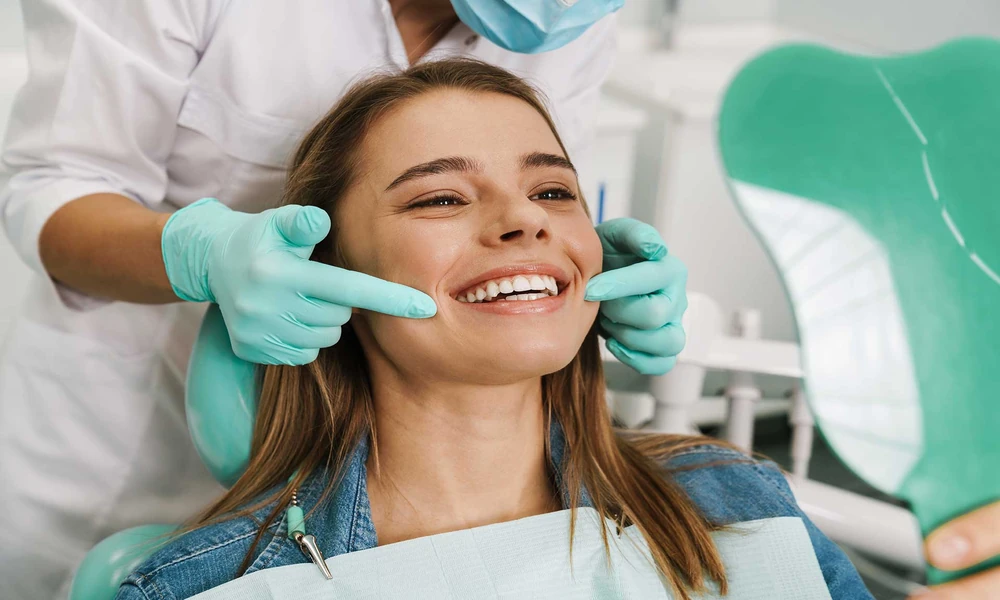
You might be looking in the mirror and noticing the little things first. A chipped edge, a stain that will not lift, a smile that feels older than you do. That can wear on you more than people realize, because your smile shows up in photos, conversations, and quiet moments when you are judging yourself harder than anyone else ever would. If you have been wondering whether modern treatment feels less invasive, more precise, and more natural than it used to, the short answer is yes. These 4 Innovative Advances In Cosmetic Dentistry To Watch show how a skilled cosmetic dentist in Westchase Tampa can now plan treatment with more accuracy, create restorations faster, and support healing in ways that feel more personal to you.
Because of that shift, many people are rethinking what is possible. You may have put off care because you feared bulky veneers, long timelines, or results that looked too obvious. That hesitation makes sense. Cosmetic care is personal, and it often involves both money and trust. So, what is changing now?
Why are so many people paying attention to new cosmetic dental technology?
One reason is that expectations have changed. You do not just want whiter teeth. You want a smile that fits your face, protects your tooth structure, and holds up in real life. That means the best care is no longer only about appearance. It is also about comfort, precision, and long term function.
Recent research on digital workflows in esthetic treatment points to better planning and stronger communication between patient and provider. When digital scans and treatment design are used well, you can often preview shape, proportion, and alignment before work begins. That can lower uncertainty, which matters when you are making a choice that affects both confidence and cost. You can read more in this published review on digital esthetic dentistry workflows.
This is where advanced cosmetic dentistry starts to feel less mysterious. Instead of relying only on molds, guesswork, and repeated adjustments, many practices now use digital tools to map your bite, tooth contours, and smile line with more detail. If you have ever worried about paying for a result that does not feel like you, that kind of planning can be reassuring.
Which four cosmetic dentistry innovations are worth watching right now?
The first is digital smile design. This approach uses photos, scans, and software to plan cosmetic changes before treatment begins. If you are considering veneers, bonding, or contouring, it helps answer a stressful question early. What will this actually look like on me? That clarity can prevent rushed decisions and improve communication.
The second is 3D printing for dental devices and restorations. Custom trays, models, surgical guides, and some provisional restorations can now be made with speed and consistency that older workflows often lacked. The regulatory side matters too, especially if you are wondering how safety fits into all this. The FDA’s role in 3D printing medical devices offers helpful context on oversight and standards.
The third is better ceramic materials and ultra thin restorations. Modern ceramics can offer a more lifelike translucency while preserving more natural tooth structure in the right case. That matters if you want a refined result without aggressive reduction. A cosmetic dentist can assess whether conservative veneers, inlays, or other bonded options fit your goals.
The fourth is regenerative support for healing, including platelet rich fibrin and related biologic approaches used in selected dental procedures. While not every cosmetic case needs it, this area is gaining attention because healing quality affects comfort and final outcomes. Current findings on regenerative methods in oral treatment are discussed in this recent PubMed indexed paper on biologic support in dentistry.
How do these cosmetic dental advances compare in real life?
It is easy to hear terms like digital design or 3D printing and assume they are just marketing language. But the practical value comes down to what changes for you in the chair, in the mirror, and in your budget. Here is a simple way to compare them.
| Innovation | What It Helps With | Potential Benefit for You | Best Questions to Ask |
|---|---|---|---|
| Digital smile design | Planning shape, symmetry, and smile line | Fewer surprises and clearer expectations | Can I preview the proposed result before treatment? |
| 3D printing | Models, guides, trays, temporaries | Faster turnaround and improved fit in some cases | Which parts of my treatment are made with printed tools or restorations? |
| Modern ceramics | Veneers, crowns, conservative esthetic work | Natural appearance with possible tooth preservation | How much natural tooth structure can be preserved? |
| Regenerative healing support | Recovery after selected procedures | Better healing environment and comfort in some cases | Is this useful for my procedure, or is it unnecessary? |
So, where does that leave you if you are trying to make a wise decision? It means the best cosmetic dentistry innovations are not automatically the newest ones. They are the ones that solve your actual problem. If your main concern is shape and balance, digital planning may matter most. If your issue is worn or discolored enamel, material choice may be the bigger story. And if you need several treatments together, workflow and healing support can affect the whole experience.
What can you do now if you are thinking about cosmetic dental treatment?
1. Get clear on what bothers you most. Before any consultation, write down the top three things you want to change. Color, spacing, chips, gum display, or uneven edges all lead to different treatment paths. This helps a cosmetic dentist recommend care that matches your priorities instead of offering a one size fits all plan.
2. Ask to see the planning process. Do not just ask what treatment is recommended. Ask how it is designed. Will photos, scans, mockups, or digital previews be used? The more visible the planning, the easier it is to understand what you are paying for and why.
3. Compare conservative options first. If you are a candidate for bonding, whitening, contouring, or limited veneers, ask whether those can meet your goals before choosing broader treatment. Good cosmetic care is not about doing more. It is about doing what fits your smile and preserving what is healthy.
Could these new cosmetic dentist tools make treatment feel less overwhelming?
For many people, yes. Better planning, smarter materials, and improved healing support can take some of the uncertainty out of the process. That does not mean every treatment is simple or cheap, and it does not mean every new device is right for every case. But it does mean you have more ways to seek results that look natural and feel thoughtful.
If you have been waiting for the right time to explore your options, this may be a good moment to ask better questions and look at what modern cosmetic dentist care can offer. A well planned consultation can help you move from guessing to knowing, and that alone can bring a sense of relief.